Comprehensive Guide to Industrial Tools Costs
- Bina
- Mar 30
- 4 min read
When it comes to running a successful manufacturing or wholesale business, understanding industrial tools costs is crucial. These tools form the backbone of production, maintenance, and quality control. Knowing what to expect in terms of pricing helps you plan budgets, negotiate better deals, and ensure you get the best value for your investment.
In this guide, I break down the essentials of industrial tool pricing. I cover the factors that influence costs, the most common tools you’ll encounter, and practical tips to manage expenses without compromising quality. Let’s dive in.
Understanding Industrial Tools Costs
Industrial tools vary widely in price. The cost depends on several factors:
Type of tool: Hand tools, power tools, precision instruments, or heavy machinery all have different price ranges.
Brand and quality: Established brands often charge more but offer reliability and durability.
Material and build: Tools made from high-grade steel or specialized alloys cost more.
Technology and features: Advanced tools with digital interfaces or automation capabilities come at a premium.
Volume and supplier: Buying in bulk or from wholesalers can reduce unit costs.
For example, a basic wrench might cost $10 to $30, while a high-end torque wrench with digital readout can exceed $200. Similarly, a standard drill press may be priced around $500, but industrial-grade models with CNC capabilities can run into thousands.
I recommend always balancing cost with expected tool lifespan and performance. Cheaper tools may save money upfront but lead to higher replacement or repair costs later.

Factors Affecting Industrial Tools Costs
Several key factors influence the price of industrial tools:
1. Material Quality
Tools made from hardened steel, titanium, or other durable materials cost more but last longer. For example, cutting tools with carbide tips are pricier but maintain sharpness better than standard steel.
2. Manufacturing Process
Precision tools require advanced manufacturing techniques like CNC machining or laser cutting. These processes increase production costs but improve accuracy and reliability.
3. Brand Reputation
Top brands invest in research, quality control, and customer support. This investment reflects in their pricing. Lesser-known brands may offer lower prices but with variable quality.
4. Tool Complexity
Simple hand tools like hammers or screwdrivers are inexpensive. Complex tools with electronic components, sensors, or programmable features cost more.
5. Market Demand and Supply
High demand or limited supply can drive prices up. Seasonal fluctuations or raw material shortages also impact costs.
6. Import and Export Fees
For global wholesalers and manufacturers, tariffs, shipping, and customs fees add to the final cost of tools sourced internationally.
Understanding these factors helps you make informed purchasing decisions. Always ask suppliers about material specs, manufacturing standards, and warranty terms.
What are the top 10 most common tools?
Knowing the most common industrial tools helps you prioritize purchases and budget accordingly. Here are the top 10 tools frequently used across industries:
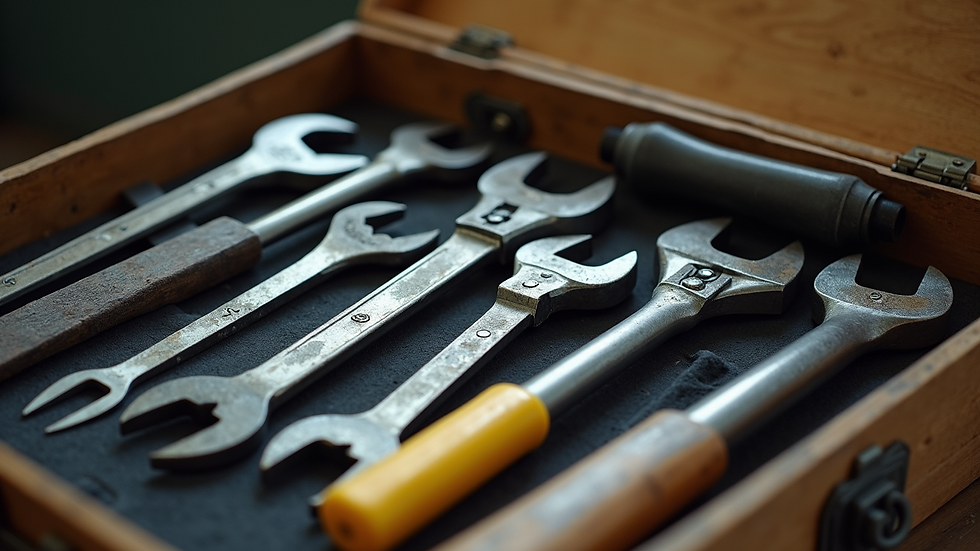
Wrenches - Adjustable, socket, and torque wrenches for fastening and loosening bolts.
Screwdrivers - Flathead, Phillips, and specialty screwdrivers for assembly and repairs.
Pliers - Needle-nose, slip-joint, and locking pliers for gripping and cutting.
Hammers - Claw, ball-peen, and sledgehammers for striking and shaping.
Drills - Corded and cordless drills for drilling holes and driving screws.
Measuring Tools - Tape measures, calipers, and micrometers for precision measurement.
Cutting Tools - Utility knives, saws, and snips for cutting materials.
Levels - Spirit and laser levels for ensuring accuracy in construction and assembly.
Grinding and Sanding Tools - Angle grinders and sanders for surface finishing.
10. Safety Equipment - Gloves, goggles, and ear protection to ensure worker safety.
Prices for these tools vary widely. For instance, a basic screwdriver set may cost $20, while a professional-grade cordless drill can be $150 or more. Investing in quality versions of these essentials pays off in durability and performance.
How to Use an Industrial Tools Price List Effectively
To manage your procurement efficiently, use an industrial tools price list from a trusted supplier. Here’s how to get the most out of it:
Compare prices across brands and models: Look for tools that meet your specifications at the best price.
Check bulk discounts: Many suppliers offer lower prices for large orders.
Review warranty and service terms: A slightly higher price may be worth it if it includes extended warranty or free servicing.
Consider total cost of ownership: Factor in maintenance, replacement parts, and expected lifespan.
Negotiate with suppliers: Use the price list as a baseline to negotiate better deals, especially for repeat orders.
Using a detailed price list helps you avoid surprises and plan your budget accurately. It also supports transparent communication with your suppliers.
Tips to Reduce Industrial Tools Costs Without Sacrificing Quality
Cost control is vital, but cutting corners can backfire. Here are practical tips to save money while maintaining quality:
Buy in bulk: Larger orders often come with discounts.
Standardize tools: Use the same brands and models across your operations to simplify maintenance and spare parts inventory.
Invest in training: Proper tool use reduces damage and extends tool life.
Schedule regular maintenance: Clean and service tools to prevent breakdowns.
Leverage supplier relationships: Long-term partnerships can unlock better pricing and priority service.
Consider refurbished tools: Certified refurbished tools can offer significant savings with reliable performance.
Monitor market trends: Watch for seasonal sales or new product launches that may lower prices.
By applying these strategies, you can optimize your tool budget and ensure your operations run smoothly.
Planning for Future Industrial Tool Investments
Industrial tools evolve with technology. Staying ahead means planning for future investments:
Adopt automation: Tools with automation features improve efficiency but may have higher upfront costs.
Focus on sustainability: Eco-friendly tools and materials reduce environmental impact and may qualify for incentives.
Upgrade precision tools: As quality standards rise, invest in tools with better accuracy and digital integration.
Expand your supplier network: Diversify sources to avoid supply chain disruptions and access competitive pricing.
Budget for training and support: New tools often require staff training and technical support.
Planning ahead ensures your business remains competitive and ready to meet changing industry demands.
Industrial tools are essential assets. Understanding their costs and managing purchases wisely is key to operational success. Use this guide to navigate pricing, select the right tools, and optimize your investments confidently. Your business deserves nothing less than the best tools at the best prices.


Comments